 English
 Español
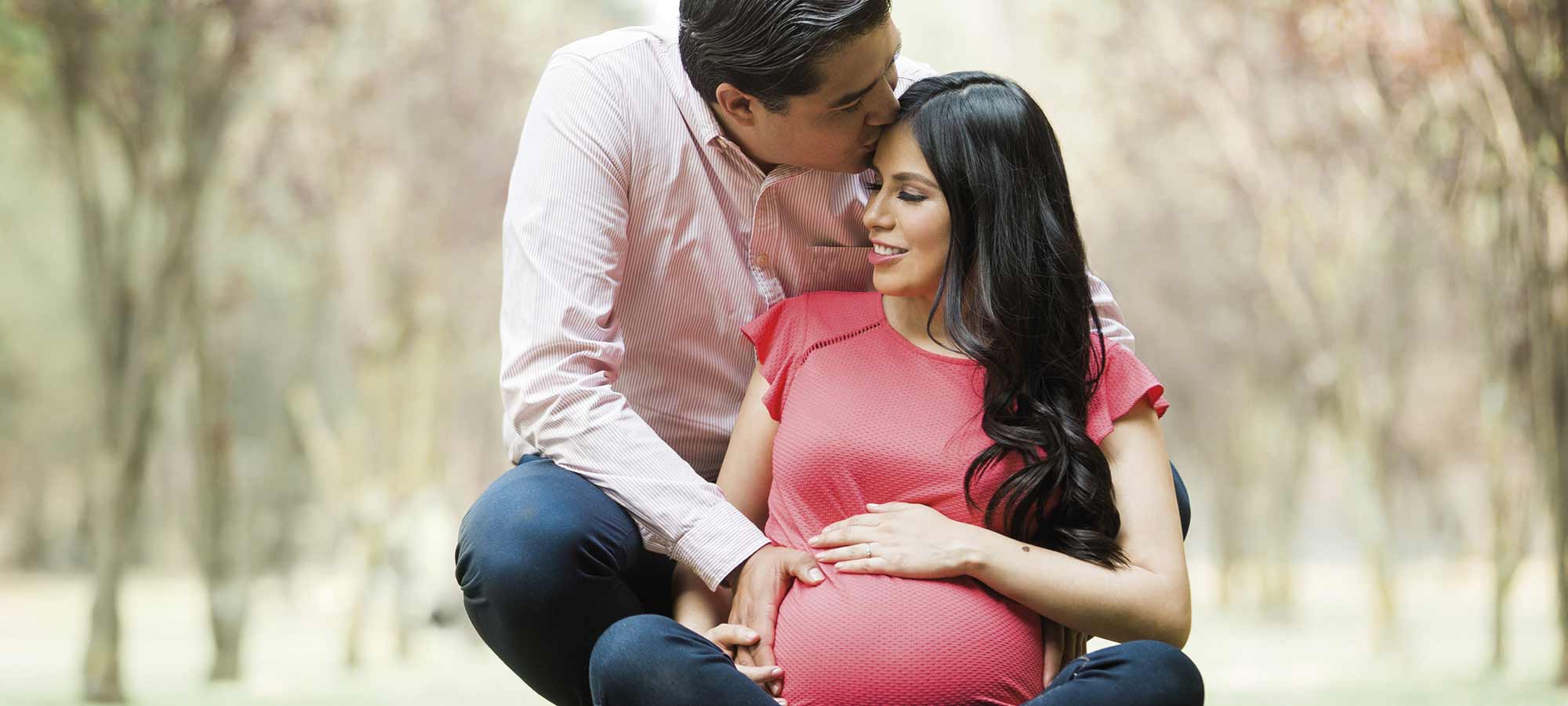
Love is fruitful. Why? Because love is life, and it revives everything. Children are not an addition to conjugal love; they flow from it. To deny love and its fruitfulness is to mutilate it.
Text
“The child who is born “does not come from outside as something added on to the mutual love of the spouses, but springs from the very heart of that mutual giving, as its fruit and fulfilment.” He or she does not appear at the end of a process, but is present from the beginning of love as an essential feature, one that cannot be denied without disfiguring that love itself.” (The Joy of Love, n.80)

Commentary
When I was in college, I attended a lecture given by a renowned painter with some friends. We were very interested in listening to her. Among the things she said was that she and her husband had not wanted to have children. After the lecture, my friends and I were left with a feeling of bewilderment, sadness, and emptiness: She did not want to have children? And, she had decided this because of love? What type of love has to deny its children? If there is one thing that love has, so proper and unsurpassable, it is that it gives life, that it is life, that it infuses it in everything. If it is love, it is never death.
I was perplexed because I always thought that we have children physically when they are born, but they are present in our dreams from the beginning of the love story. So present that they are thought of from the first love. During that first love, we not only want it to last forever, imagining we get married, but we also dream about how our children are going to be, what color eyes or hair they will have, what build they might have. I was not mistaken in these feelings and certainties. It was the lecturer who was mistaken.
To deny the fecundity of love is to deny love itself; a mutilated love, which castrates itself, is no longer love. My maternity is part of my femininity, which I give entirely and sincerely to my husband. He corresponds to me with the same entire and sincere love of himself, of which his paternity is a part. From this union of love, children are born, not biological offspring, but “children”: those unconditionally loved by their “father” and “mother” from their conception until beyond their death. The terms “father,” “mother,” and “child” are names of love, not of mere biogenetics.


